The rapid progression of myopia in children and adolescents constitutes a global public health issue. By 2050, nearly 50% of the world’s population could be myopic. Several therapeutic strategies now make it possible to slow its progression.
Public health issueWhy curb myopia?
The increase in the prevalence of myopia is closely linked to the increase in near vision time, increased use of screens and reduced exposure to daylight. With a projection of 1 billion highly myopic people in 2050, at high risk of potentially blinding complications, the objective of braking takes on its full meaning.
ScreeningImportance of early assessment
Early recognition of myopia allows treatment and prevention measures to be put in place. Parents must be particularly vigilant when they themselves are myopic. The initial examination should include: subcyclopegic refraction, intraocular pressure, axial length and fundus. Follow-up every 6 months is recommended.
Optical treatmentsGlasses and defocusing lenses
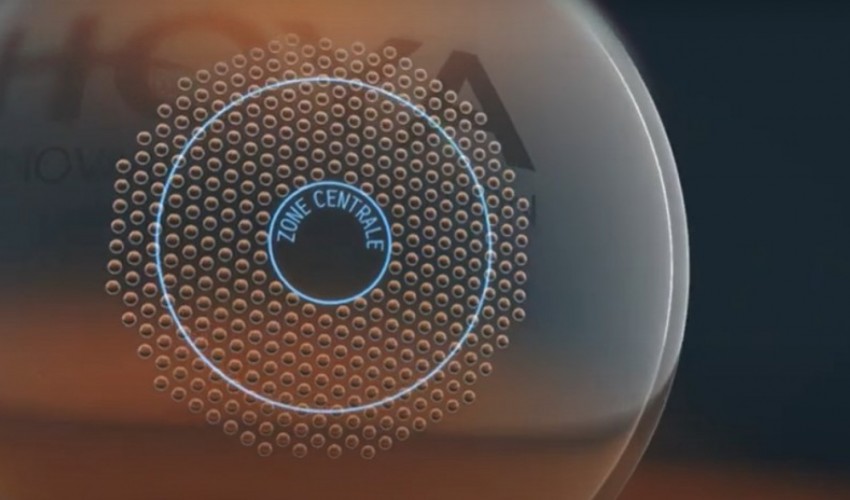
DIMS (Miyosmart® – Hoya) and HAL (Stellest® – Essilor) defocusing lenses: these lenses induce peripheral myopic defocus to slow down axial elongation. The study by Lam et al. (2020) shows a 52% reduction in myopic progression and 62% in axial elongation. Miyosmart® glass recently received an ASA IV score from the ANSM. Level of evidence: high (GRADE: High).
Defocusing lenses (MiSight®, Abiliti®, Bloom Oneday®): they slow down myopia by retinal defocus. The trial by Chamberlain et al. (2019) over 3 years shows a 59% reduction in progression. Level of evidence: high.
OrthokeratologyNight lenses
Wearing rigid lenses at night temporarily reshapes the cornea. The Cochrane meta-analysis (2023) concludes that there is a significant reduction in axial elongation: –0.19 mm at 1 year, –0.28 mm at 2 years. Level of evidence: moderate to high. Beware of the risk of infection among adolescents who are not compliant with hygiene.
Pharmacological treatmentMicro-dose atropine
Topical atropine at low doses (0.01% to 0.05%) acts by modulating scleral growth. LAMP studies demonstrate maximum effectiveness at 0.05%. 5-year follow-up indicates a stable safety profile. The APPLE study is the first to demonstrate effectiveness at lower concentrations: 0.01% and 0.005%. Level of evidence: high.
Environmental measuresDaily prevention
- Exposure to natural light: reduces the risk of occurrence. The study by He et al. (2022) shows a reduction of 24%.
- Less close work: reduce time on direct screens and LEDs.
- Minimum reading distance and regular breaks.
- Outdoor sports and go to bed early.
Combined therapiesThe future of braking
Faced with myopia that remains progressive under mono-treatment, combined therapies (defocusing lenses + atropine, lenses + atropine, orthokeratology + atropine) provide superior results. This integrated approach could become the norm.
International recommendationsWSPOS and IMI 2025
Current recommendations from the WSPOS and the International Myopia Institute emphasize individualized care integrating epidemiological data, risk factors and intervention possibilities. The treatment decision is made in agreement with the parents and the child.
Dr Mehdi Batras — Ophthalmologist in Casablanca. For a myopia assessment of your child or to discuss braking options, contact our office.