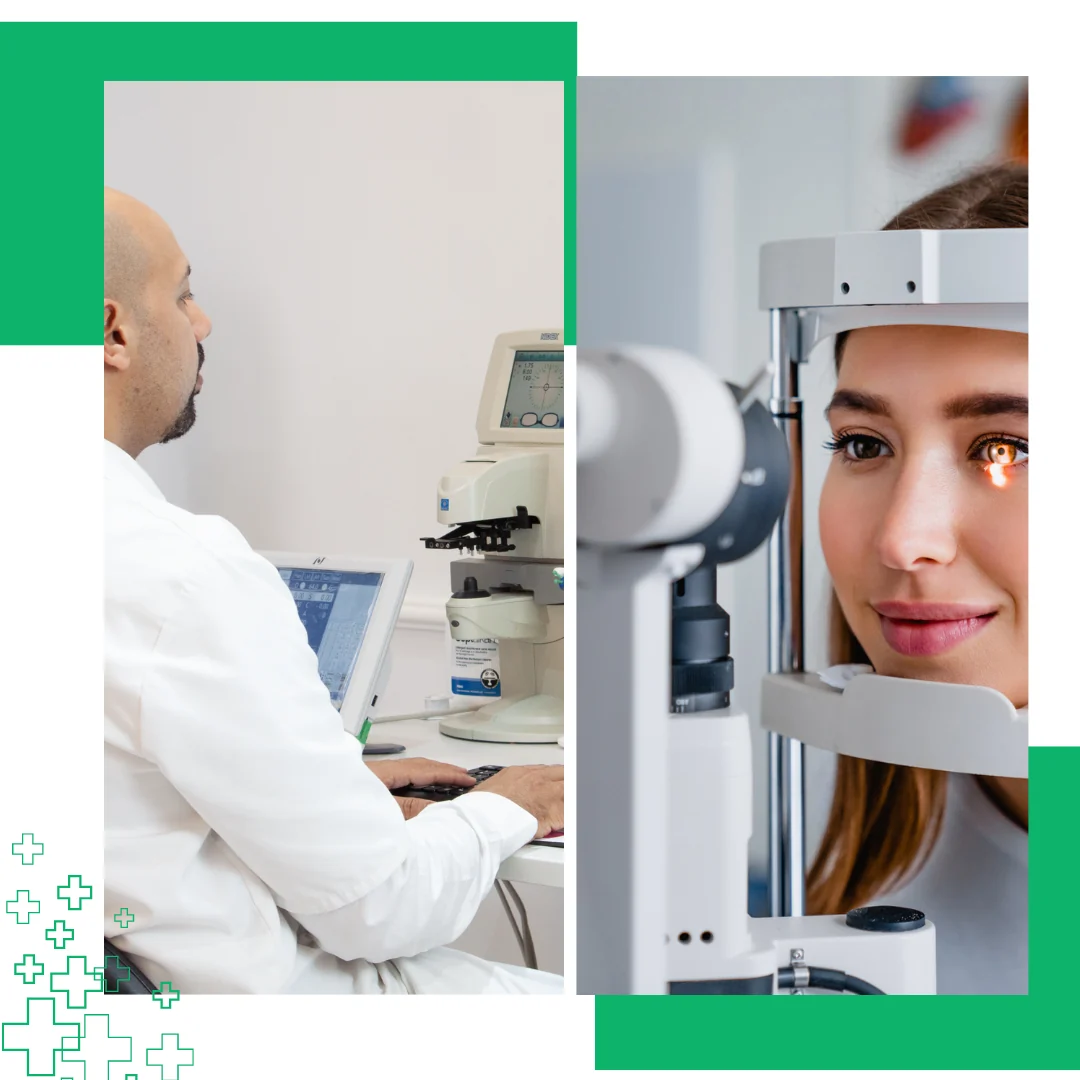

IMPORTANT REMINDER: WHAT IS AMD?
AMD, or age-related macular degeneration, is an eye condition that affects the macula, the central part of the retina responsible for fine, detailed vision. It causes a progressive loss of central vision. AMD is usually linked to aging, although genetic and environmental factors can also play a role. There are two main forms: dry AMD, which is more common, and wet AMD, which is more serious and can lead to rapid vision loss.
HOW TO KNOW IF YOU ARE SICK: THE SYMPTOMS
Symptoms of age-related macular degeneration (AMD) include:
-
Blurred central vision: difficulty seeing objects clearly in the center of the visual field, affecting tasks such as reading or recognizing faces.
-
Visual distortion: Straight lines may appear wavy or distorted, a symptom often associated with wet AMD.
-
Dark or empty spots: The appearance of areas of blurred vision or shadows in the central field of vision, known as scotomas.
-
Gradual decrease in vision: gradual loss of central vision, with worsening over time.
-
Difficulty seeing in low light conditions: Vision may deteriorate further in poorly lit environments.
These symptoms can vary depending on the form and stage of AMD.
HOW IT IS CURED: TREATMENT OF AMD
Treatment of age-related macular degeneration (AMD) depends on its form and severity.
-
For dry AMD, food supplements rich in antioxidants and zinc can slow progression.
-
For wet AMD is treated with intraocular injections of anti-VEGF drugs to reduce abnormal blood vessel growth. Laser therapies and photodynamic therapy can also be used to treat wet AMD. Visual aids and adaptations can help manage vision loss.
Regular follow-up with the doctor is essential to monitor progress and adjust treatment.
PROGRESS OF THE INTERVENTION
THE FOLLOW-UP OF THE INTERVENTION
I HAVE AMD,
WHAT SHOULD I DO?
During an intervention for wet AMD, the patient receives local anesthesia in the form of drops. The doctor gives an anti-VEGF drug directly into the eye by intravitreal injection, to reduce the growth of abnormal blood vessels. The procedure is quick, usually performed on an outpatient basis.
After an injection for AMD, the patient may experience mild discomfort, redness, or temporary itching in the eye. It is essential to follow post-operative instructions, such as avoiding rubbing the eye and using eye drops if prescribed. Vision may be blurry immediately after the injection, but it usually improves within a few days. Follow-up visits are necessary to assess the effectiveness of treatment and monitor eye health. The majority of patients regain more stable vision with adequate management.
Like all age-related illnesses, it is necessary to treat them fairly quickly to avoid any possible complications. Our office remains at your disposal.
Ophthalmologist in Casablanca specializing in the retina
NEED TO CONSULT?
Need medical advice?
Book an appointment with Dr Mehdi Batras for an eye examination tailored to your situation.
Book an appointment