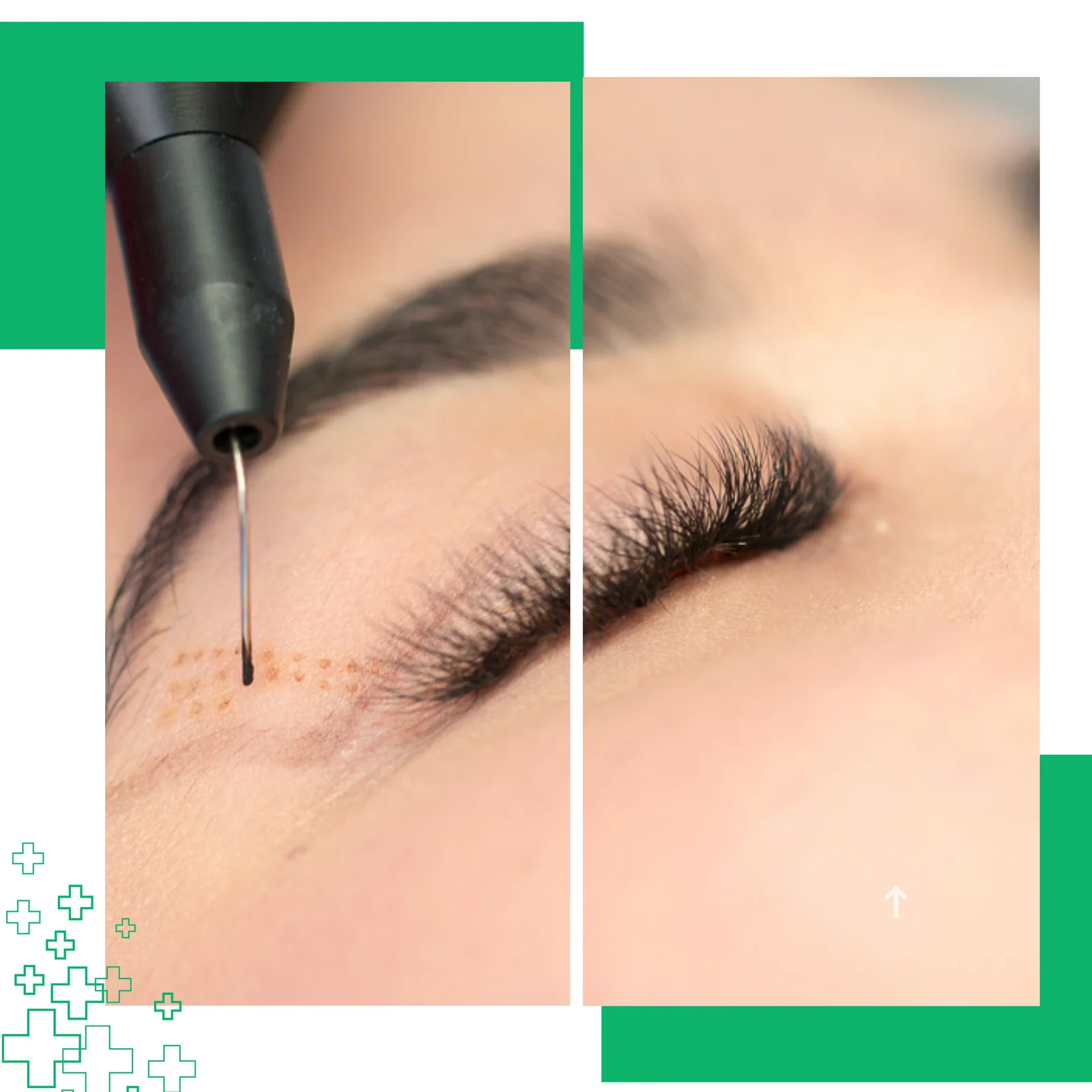

IMPORTANT REMINDER: WHAT IS EYELIDS?
Eyelids are mobile structures that cover and protect the eyes. They help regulate the amount of light entering the eye and distribute tears across the ocular surface to maintain hydration and remove debris. The eyelids are made up of skin, muscles and glands, and they close to protect the eyes from irritation, infection and foreign objects.
HOW TO KNOW IF YOU HAVE A PROBLEM ON THE EYELIDS: THE SYMPTOMS
Symptoms related to eyelid problems may include:
-
Redness or inflammation: The eyelids may become red, swollen or irritated if there is infection or inflammation.
-
Itching or pain: Feeling of itching, burning or pain around the eyelids.
-
Secretions or crusts: Appearance of secretions, crusts or pus, often associated with conjunctivitis or blepharitis.
-
Difficulty closing the eyes: Problems closing the eyelids completely, which can lead to dry eyes.
-
Changes in shape or position: Deformities, such as drooping eyelids (ptosis) or eyelids that turn inward (entropion), can affect the function and appearance of the eyes.
HOW IT IS CURED: EYELID TREATMENT
Treatment for eyelid problems depends on the specific condition. For infections or inflammations such as blepharitis, warm compresses and regular cleanings may be recommended, sometimes accompanied by antibiotics or anti-inflammatory treatments. Dry eye problems can be treated with artificial tears. Deformities such as ptosis or entropion may require surgery to correct eyelid position or function.
PROGRESS OF THE INTERVENTION
THE FOLLOW-UP OF THE INTERVENTION
I HAVE AN EYELID PROBLEM,
WHAT SHOULD I DO?
During surgery for eyelid problems, the patient receives local or general anesthesia. The surgeon makes incisions to correct the position or function of the eyelids, then closes them with stitches or surgical glue.
After an eyelid procedure, the patient may experience slight swelling, bruising and temporary discomfort. It is crucial to follow postoperative instructions, including the application of cold compresses and the use of prescribed medications. It may also be necessary to avoid strenuous physical activities and protect the eyes from irritants. Follow-up visits check healing and ensure results are as expected.
For any persistent or severe problem, a consultation is essential for an accurate diagnosis and appropriate treatment plan. Our office remains at your disposal.
Ophthalmologist in Casablanca specializing in the retina
NEED TO CONSULT?
Need medical advice?
Book an appointment with Dr Mehdi Batras for an eye examination tailored to your situation.
Book an appointment